
Modern fantasy is no longer limited to passive storytelling. Readers and players now participate in the creation of these worlds. Video games, online role-playing platforms, and interactive fiction have turned audiences into co-creators. Games like World of Warcraft, Elden Ring, and Final Fantasy XIV enable players to explore vast universes where every choice significantly impacts the story. In this new landscape, imagination merges with technology, yielding a deeply personal result. We no longer just watch a hero’s journey; we live it.
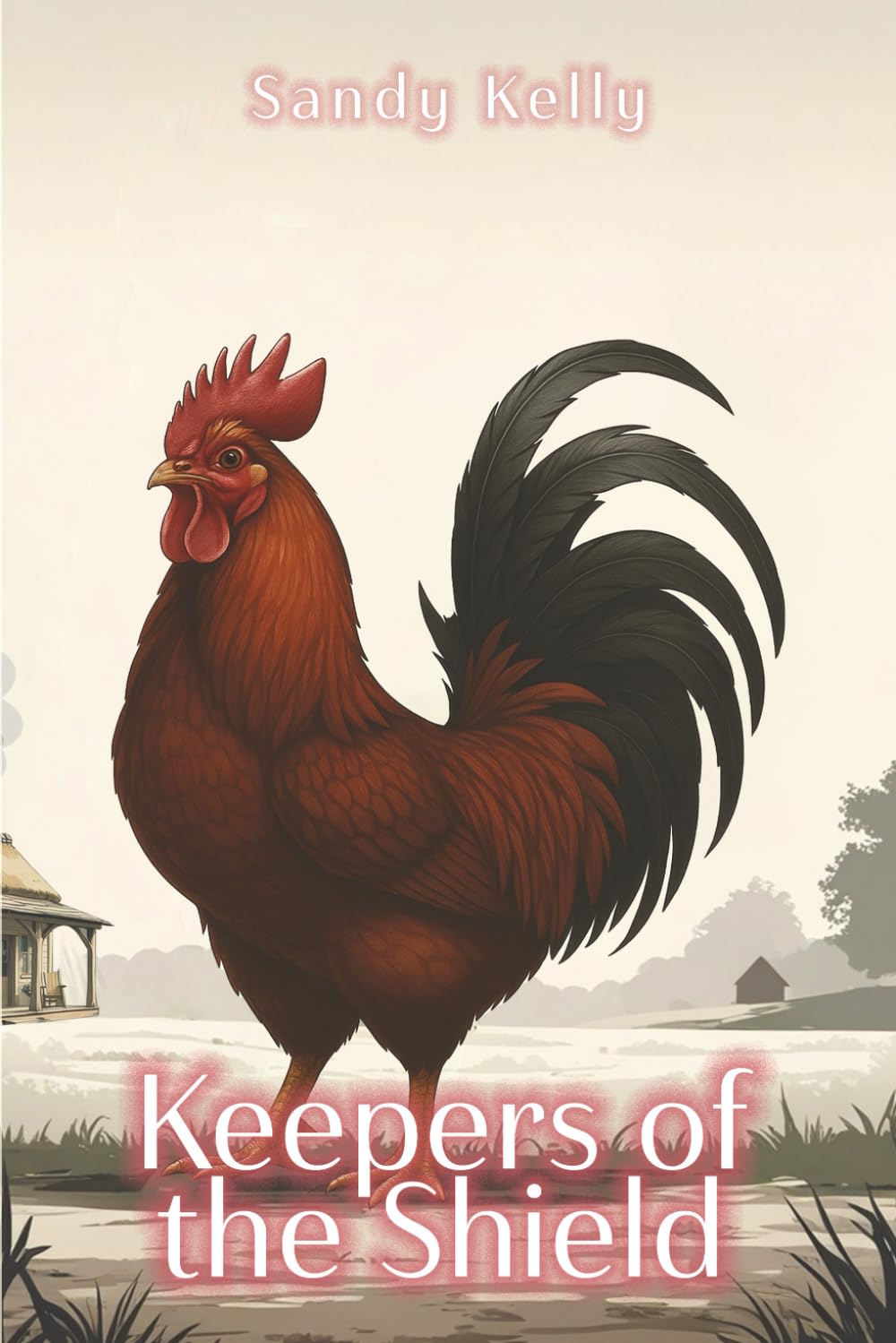
This blending of gaming, technology, and imagination has also transformed how authors write fantasy. Instead of focusing solely on mythical lands, many writers now explore the intersection between digital life and adventure. Stories about virtual quests, online worlds, and blurred realities are becoming more common because they reflect the lives of modern readers. Ready Player One and Sword Art Online are popular examples of this shift, where fantasy doesn’t escape technology; it embraces it.
Sandy Kelly’s Keepers of the Shield stands right at the center of this cultural evolution. The book begins with players inside a massive online fantasy game, complete with guilds, missions, and alliances. However, as the story unfolds, the lines between game and reality begin to blur. The result is a tale that combines the excitement of gaming with the heart of traditional fantasy. It’s a reflection of how our generation experiences adventure: through both screens and emotions. The story demonstrates that courage, loyalty, and friendship can be just as powerful in digital spaces as they are in the real world.
The evolution of fantasy in the digital age is also about accessibility. Technology allows more people than ever to experience and create their own stories. A teenager designing a virtual realm in a game, a writer publishing fan fiction online, or a reader discussing theories on forums, all are participating in modern fantasy. These digital interactions have turned fantasy from a solitary experience into a shared community built on creativity and collaboration.
This shift does not replace the magic of traditional storytelling; it enhances it. The heart of fantasy has always been about escape, exploration, and emotional truth. What has changed is the way we access it. Today’s readers and gamers can step directly into the story and become part of the adventure.
Keepers of the Shield captures this new form of fantasy perfectly. It reminds us that the worlds we build through imagination, whether on a screen or a page, still have the power to teach us about bravery, belonging, and what it means to be human.
Read Sandy Kelly’s Keepers of the Shield now on Amazon: www.amazon.com/dp/B0FJZPGKDJ.
Keepers of the Shield | Sandy Kelly | 3rd Video Trailer
Escapism or Empowerment? Why We Turn to Fantasy
Everyone escapes sometimes. Whether it’s through a movie, a game, or a good book, stepping into another world gives us a break from the weight of our own. Fantasy, in particular, has always offered that escape, a space where imagination runs free and anything feels possible. However, the truth is that fantasy does more than distract us from reality. It helps us face it. For many readers and gamers, fantasy is not just about getting away from the world. It’s about finding the courage to live in it.
When people talk about escapism, they often mean avoidance, a desire to forget real-life problems. However, the best fantasy stories do the opposite. They use imagined worlds to help us process real emotions, such as fear, loss, hope, and love. In stories filled with magic or quests, we see reflections of our own struggles. That’s why these tales are timeless. They let us explore what it means to be human in the safety of make-believe.
Modern fantasy, especially in the digital age, takes this even further. Games and books with immersive worlds let us participate in the story, not just watch it unfold. When we make decisions in a game, build alliances, or complete missions, we experience the thrill