
Leadership in epic fantasy is often portrayed as instinctive. A hero rises, claims authority, and commands through courage alone. In Keepers of the Shield by Sandy Kelly, leadership is neither automatic nor effortless. Across Book 1 and Book 2, it is cultivated under pressure, tested through restraint, and refined by responsibility.
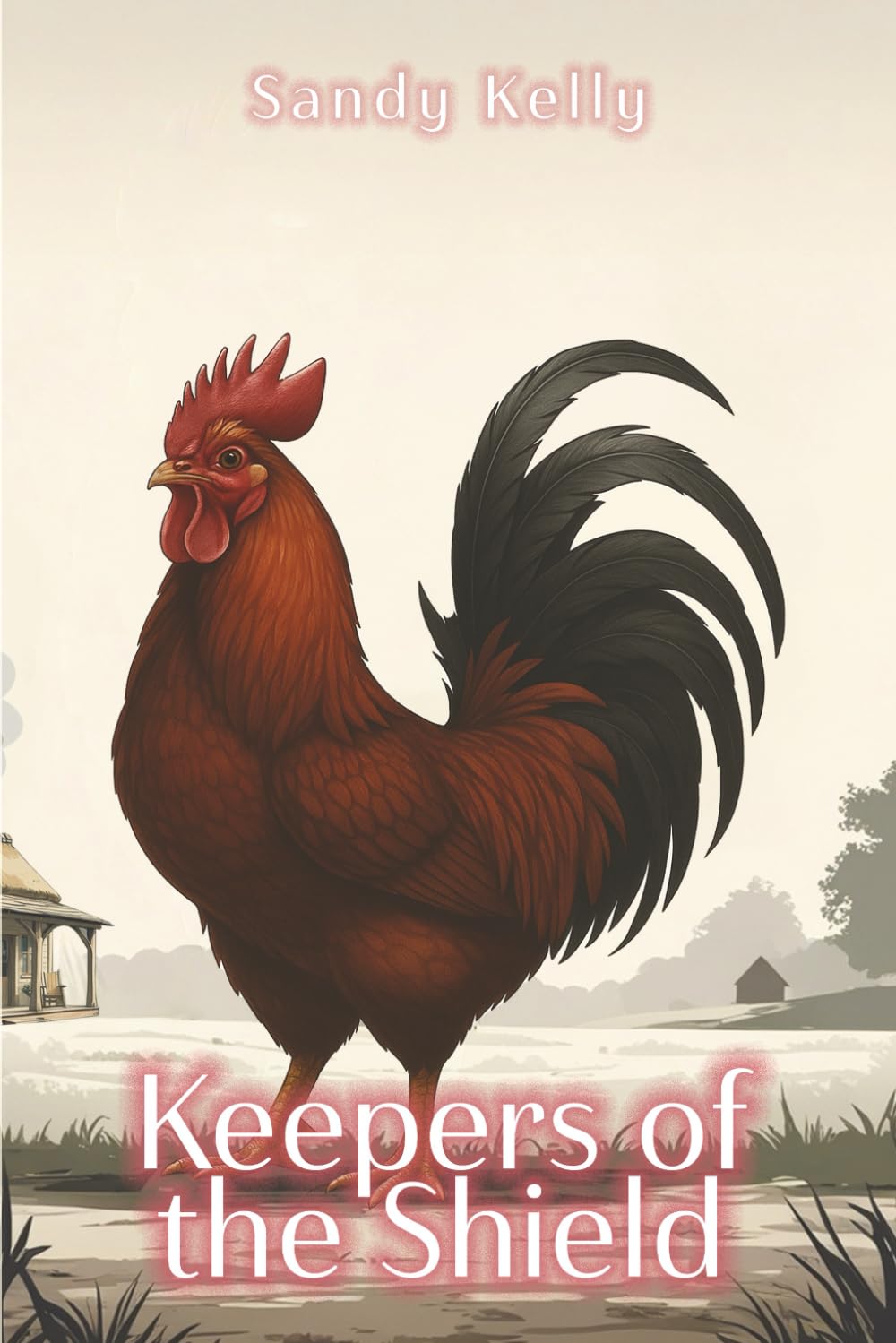
Jesse Finch does not begin as a confident commander. In Book 1, he is a grieving teenager discovering that the world is larger and more layered than he imagined. Being identified as a Red Magic Finding places him in rare territory, but raw potential does not equal readiness. His early training under Gran emphasizes discipline, mental focus, and ethical boundaries. Before he is taught how to wield power, he is taught why it must be governed.
Pressure is constant. The merging of gaming culture with the immortal realm means that decisions carry real consequences. In an online setting, a failed strategy might cost ranking. In Xanthara, failure threatens autonomy across worlds. That contrast forces Jesse to mature quickly. Coordination, multitasking, and communication become tools not just for victory, but for protection.
Book 2 intensifies this evolution. The conflict expands. The Council of Elders engages more directly. The so called Boss is no longer distant or theoretical. Jesse must move from trainee to active leader. This transition is not marked by grand speeches. It is visible in how he listens, delegates, and resists impulsive use of his abilities.
Leadership under pressure reveals character.
The series repeatedly underscores that influence must never become manipulation. Jesse possesses telepathic strength capable of entering minds and shaping perception. The temptation to override conflict is real. Yet he learns that true leadership respects free will, even when urgency presses for faster solutions. This restraint distinguishes him from the antagonist, whose philosophy centers on control.
Cami’s growth also reflects the theme. Her white magic matures alongside Jesse’s red. She demonstrates that leadership is not tied solely to rank or power level. It is expressed through courage, steadiness, and strategic awareness. Together, they model collaborative authority rather than hierarchical dominance.
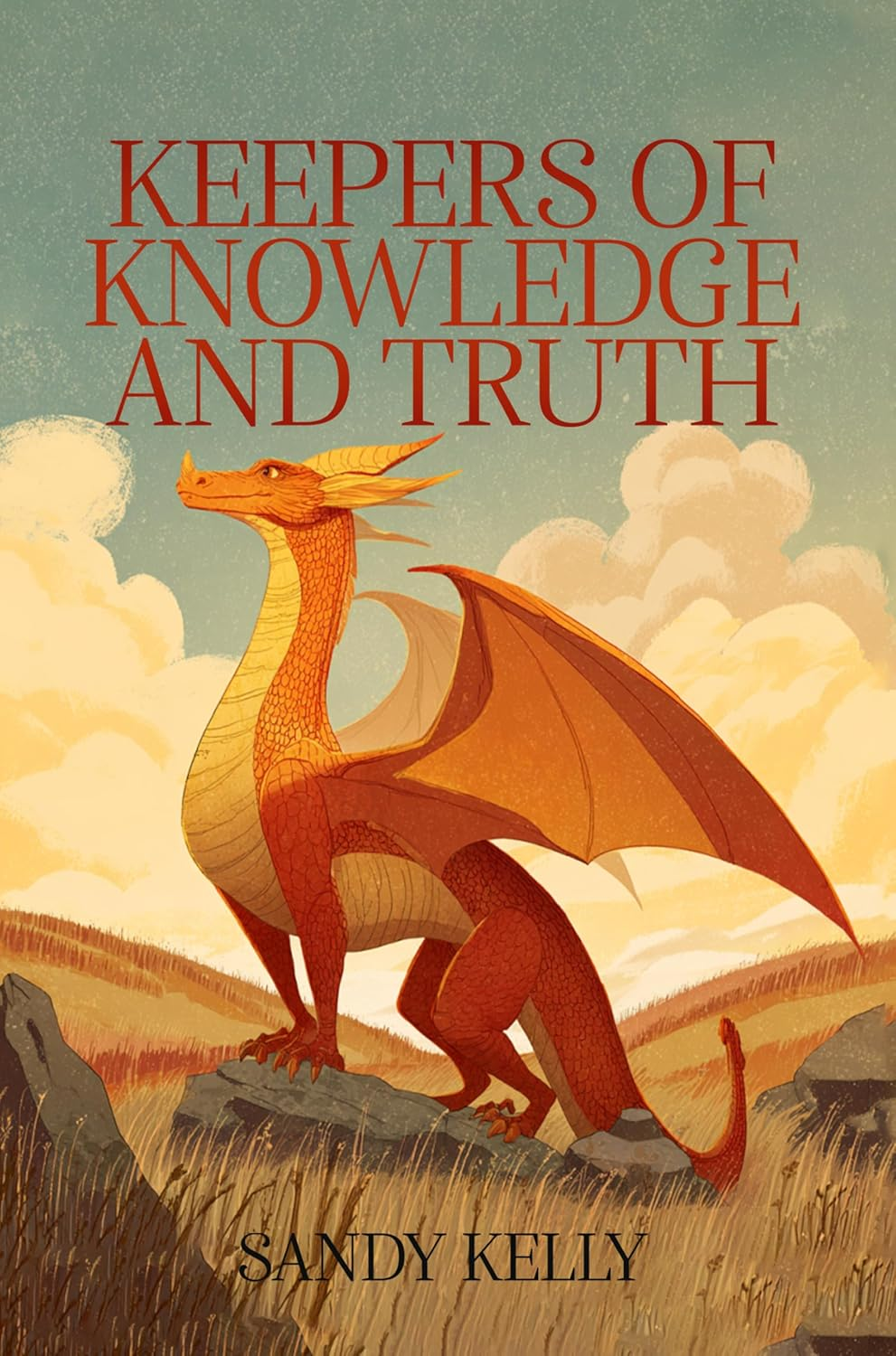
The presence of dragons, Talismans, and telewaves reinforces the structural nature of responsibility. Power in Xanthara is organized and recognized. Talismans do not simply amplify ability. They signify accountability. The Council does not grant authority lightly. Training is deliberate because the stakes are immense.
Sandy Kelly presents leadership as preparation for service. Jesse is not shaped into a conqueror. He is shaped into a Keeper. The distinction matters. A conqueror seeks expansion. A Keeper safeguards balance.
Across both books, readers witness a shift from awakening to stewardship. Book 1 introduces the possibility of greatness. Book 2 demands its exercise. Each challenge strengthens Jesse’s understanding that pressure is not a burden to escape, but a crucible that clarifies purpose.
For readers drawn to epic fantasy that values moral depth alongside action, Keepers of the Shield offers a compelling portrait of leadership forged in responsibility. In this series, the true test of strength is not how much power you hold, but how carefully you choose to use it.
Keepers of the Shield: https://www.amazon.com/dp/B0FJZPGKDJ.
Keepers of Knowledge and Truth: https://www.amazon.com/dp/B0FWLC7BN9.