
Epic fantasy often begins with a wound. In Keepers of the Shield by Sandy Kelly, that wound is personal, quiet, and deeply human. Before dragons, Talismans, and immortal councils enter the picture, there is a teenage boy struggling with grief.
Jesse Finch does not begin his journey as a confident champion. He begins as a son who has lost his father. His anger simmers beneath the surface. His relationship with his mother is strained. His stepfather feels like an intrusion rather than support. This emotional fracture is not incidental. It is foundational.

Grief creates vulnerability, and vulnerability opens space for transformation.
In Book 1, as Jesse discovers Xanthara and learns he is a Finding, his loss shapes his response to everything around him. His desire for strength is not about glory. It is about control in a world that once felt suddenly uncontrollable. The revelation that magic exists does not erase his grief. Instead, it reframes it.
The Talismans glow, the Council of Elders recognize his potential, and Rambo becomes both guardian and guide. Yet Jesse’s motivation remains anchored in something deeply personal. He wants meaning. He wants to know that pain was not random. That longing fuels his willingness to train, to listen, and to grow.
Cami’s journey mirrors this theme in a different way. Her physical limitations in the mortal world do not define her identity in Xanthara. Through white magic, she discovers strength that transcends the boundaries she once accepted. Her transformation is not escapism. It is restoration. Grief over what was lacking becomes empowerment in what is possible.
Book 2 deepens this emotional architecture. Jesse’s reunion with his father’s essence is one of the most powerful moments in the series. It is not presented as spectacle. It is healing. The encounter affirms that love endures beyond death and that destiny can grow from sorrow rather than in spite of it.
Loss, in this series, is not erased. It is integrated.
The mythology of Xanthara reinforces this idea. Essence survives. Immortality carries memory. Even banishment and rebellion stem from wounded pride and fractured belonging. Every major conflict is rooted in emotional rupture. The war over free will is also a war over unresolved pain.
Sandy Kelly’s narrative suggests that destiny is not imposed without context. It emerges from lived experience. Jesse’s red magic designation carries weight precisely because it intersects with his humanity. His grief makes him cautious about manipulation. His longing for connection makes him value autonomy.
Readers of both books witness a shift from raw sorrow to purposeful action. In Book 1, grief motivates discovery. In Book 2, healing fuels leadership. The transition feels earned because it reflects emotional growth rather than sudden transformation.
Fantasy often offers escape from pain. Keepers of the Shield offers something more nuanced. It shows that pain can refine character. Loss can cultivate empathy. Healing can clarify calling.
Grief does not disappear in Xanthara. It becomes part of the journey toward becoming a Keeper.
In the end, destiny in this series is not about power alone. It is about what we choose to build from what we have lost.
Keepers of the Shield: https://www.amazon.com/dp/B0FJZPGKDJ.
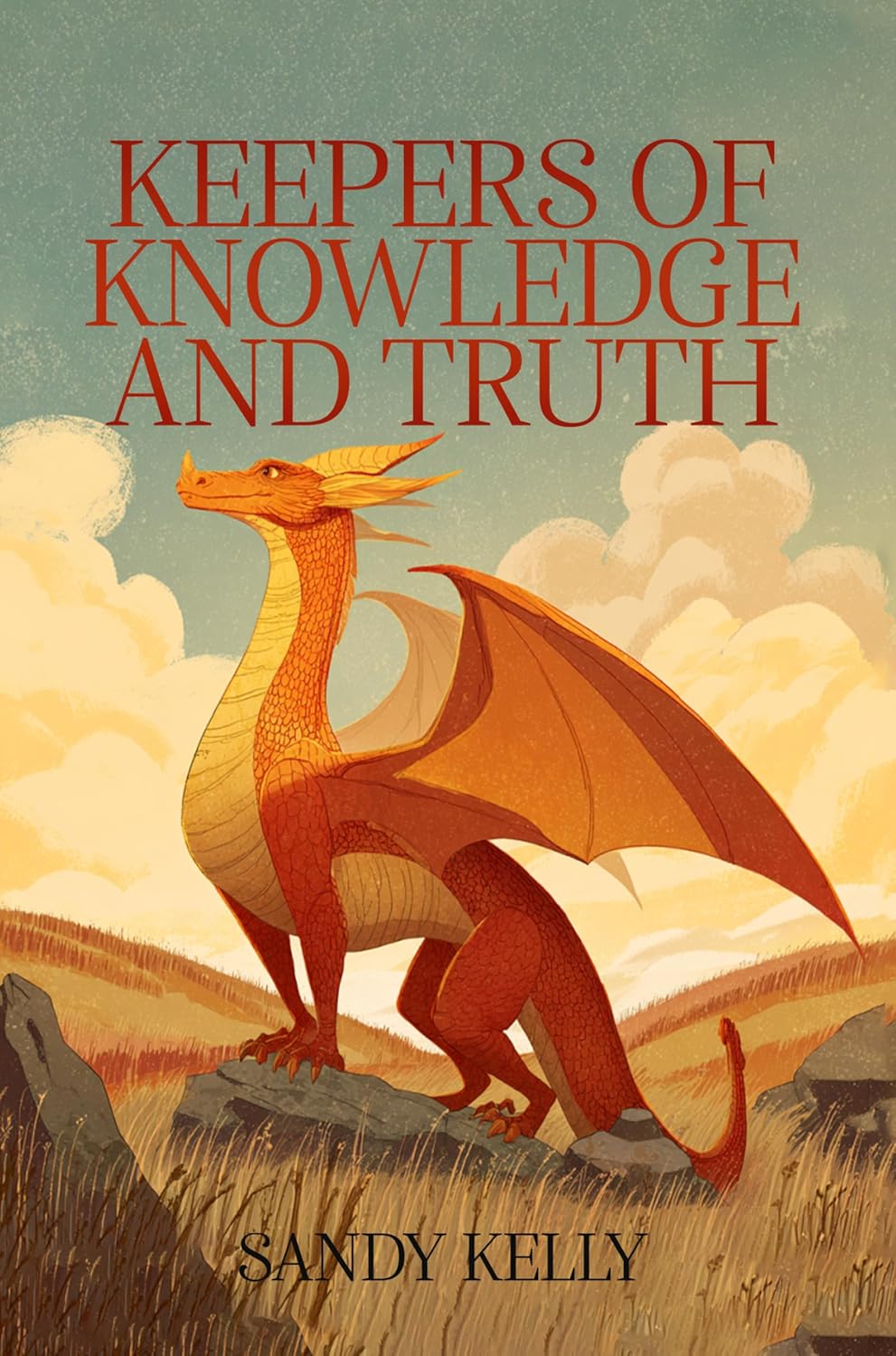
Keepers of Knowledge and Truth: https://www.amazon.com/dp/B0FWLC7BN9.