
At the heart of Keepers of the Shield by Sandy Kelly lies a conflict far deeper than dragons and dimensional warfare. Across Book 1 and Book 2, the true battle is not simply against a powerful adversary. It is a struggle over free will itself.
From the moment Jesse Finch is identified as a Finding, the story establishes that ability does not automatically equal authority. Magic in Xanthara is structured, ranked, and purposeful. Talismans recognize alignment. Elders oversee balance. The system exists to protect autonomy, not to dominate it.
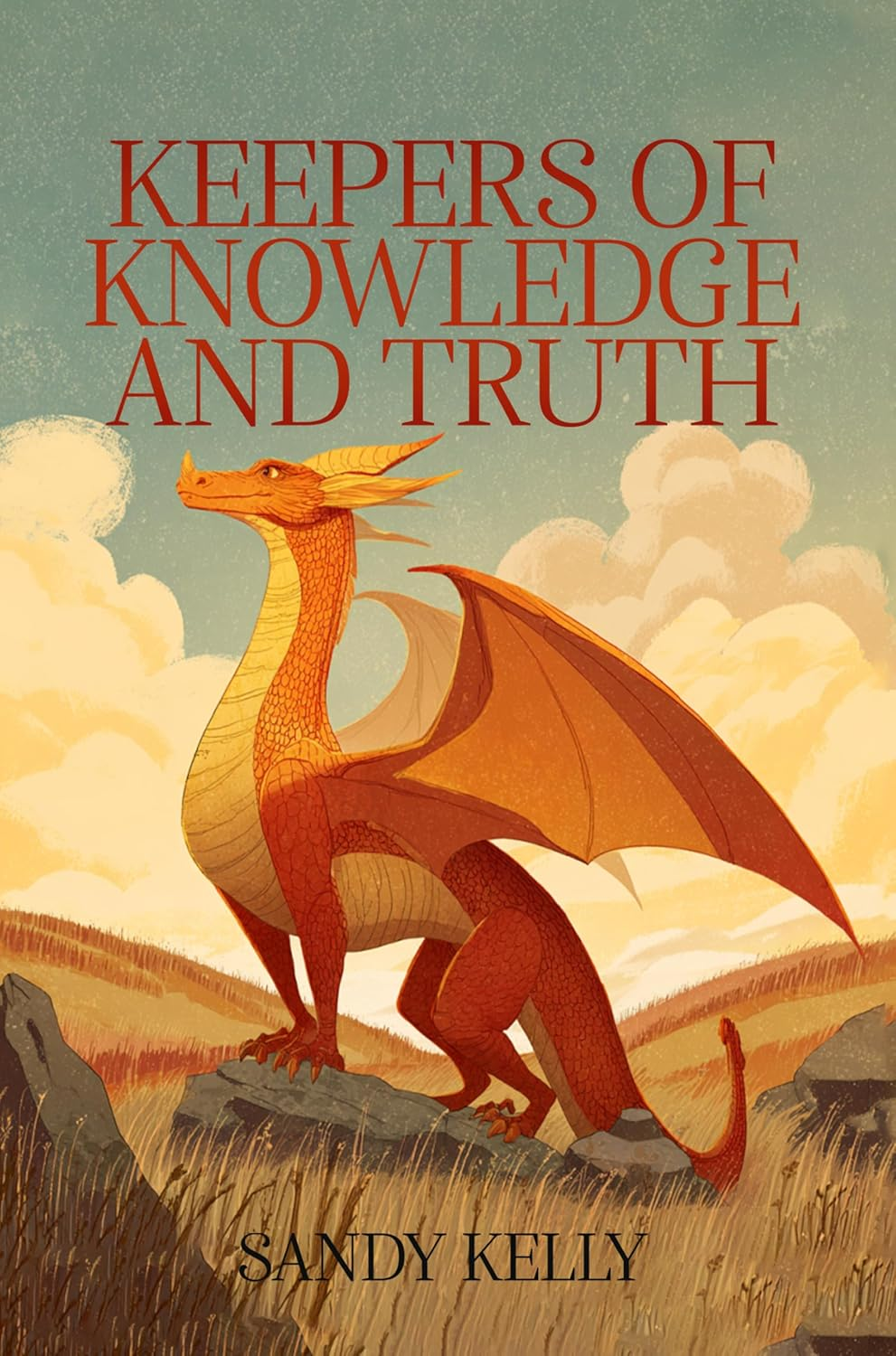
Tazeron and his followers reject limits. They seek to influence thought, distort belief, and manipulate outcomes from within the very fabric of imagination. When they infiltrate the realm of stories and games, the danger becomes even more unsettling. The battlefield shifts into spaces created by human creativity. The threat is no longer external invasion alone. It is internal persuasion.
Book 1 introduces readers to this tension gradually. Jesse’s red magic designation signals rare potential. He possesses the capacity to enter minds, to influence perception, to wield power that few mortals ever hold. Yet his training emphasizes restraint. Gran’s lessons are not focused on domination but discipline. Rambo’s mentorship reinforces the same principle. Strength must serve freedom.
By Book 2, the stakes intensify. The conflict evolves from awakening to responsibility. The Council of Elders confronts the consequences of earlier containment. The so called Boss is not merely a powerful opponent. He is a symbol of manipulation unchecked. The narrative explores how subtle influence can undermine choice without open force.
This moral complexity distinguishes the series from conventional epic fantasy. The question is not only whether the heroes can defeat the enemy. It is whether they can resist becoming what they oppose.
Telepathic abilities, telewaves, magical resonance, and strategic infiltration all test ethical boundaries. If a Keeper can quiet fear or override hostility, should he. If influencing a single mind could prevent greater harm, where is the line. The novels do not offer simplistic answers. Instead, they demonstrate the cost of crossing that line.
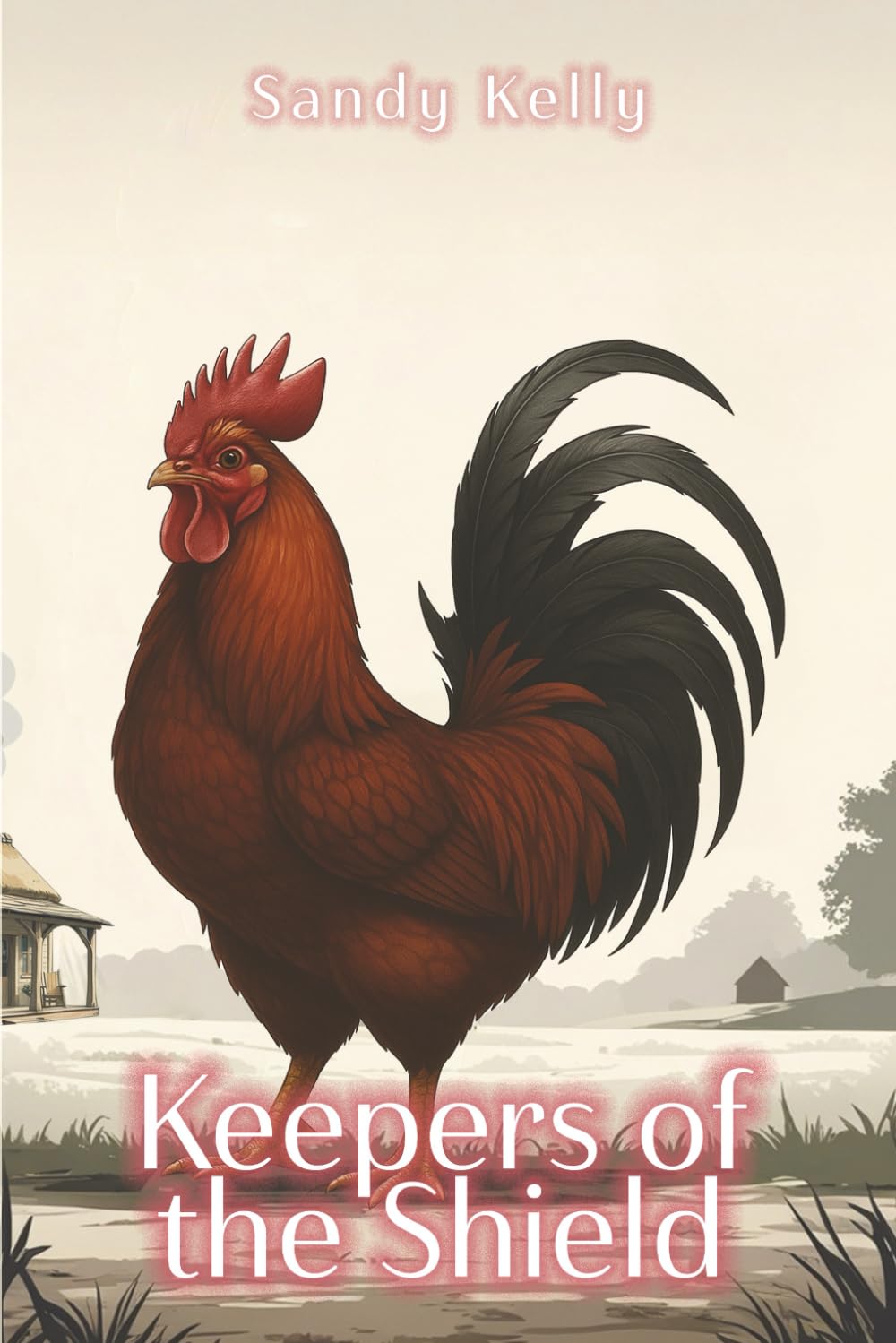
Jesse’s journey from gamer to Keeper illustrates this transformation vividly. In Book 1, he learns that imagination can shape reality. In Book 2, he learns that shaping reality carries consequences. The emotional dimension deepens as he reconnects with his father’s essence and confronts what kind of leader he intends to become.
The war for Xanthara and the mortal realm is ultimately a war for agency. The Elders could impose direct control, but they choose partnership. The Keepers are trained, not commanded. Even in crisis, autonomy remains sacred.
Readers who crave epic fantasy with philosophical depth will find both books compelling. The dragons, Talismans, and magical hierarchies provide grandeur. The ethical struggle provides substance. Sandy Kelly has crafted a series where power is tested not only in battle, but in restraint.
In Keepers of the Shield, the greatest victory is not the defeat of an enemy. It is the preservation of choice.
Keepers of the Shield: https://www.amazon.com/dp/B0FJZPGKDJ.
Keepers of Knowledge and Truth: https://www.amazon.com/dp/B0FWLC7BN9.