
Family conflict is one of the most powerful forces in shaping young heroes within modern fiction. It creates tension, fuels emotional depth, and often becomes the catalyst that pushes a character out of comfort and into transformation. While external threats drive the plot, it is internal conflict, especially within the family, that defines who the hero ultimately becomes.
For young protagonists, family represents structure, identity, and expectation. When that structure fractures, whether through loss, change, or misunderstanding, it forces the character to confront instability at a deeply personal level. This disruption often becomes the starting point of their journey. It removes the safety net and demands growth, even when the character is not ready for it.
Conflict within the family is rarely simple. It is layered with emotion, history, and unspoken expectations. A parent’s decision may feel like betrayal. A new authority figure may feel like control or intrusion. A lack of understanding can turn into resentment. These tensions create an environment where the protagonist feels isolated, unheard, or displaced. That emotional pressure becomes a wrecking force, pushing them to explore their identity and belonging.
When a young character steps away from conflict, whether physically or emotionally, they are often searching for control. They want a space where they are heard and where they can define themselves without interference. This search leads them into new environments, often unfamiliar and challenging. It is within these spaces that their strengths begin to emerge.
Family conflict also strengthens perspective. It forces the main character to question authority, examine values, and develop independent thought. They are no longer passively accepting the world as it is presented to them. Instead, they begin to analyze it, resist it, and eventually redefine their place within it. This process is essential in the formation of a hero. Without it, growth remains shallow.
At the same time, conflict introduces emotional complexity. A young hero is not simply reacting to an external threat. They are carrying unresolved feelings, anger, grief, confusion, and sometimes guilt. These emotions influence their decisions, often creating mistakes that become critical learning moments. The journey is not about perfection. It is about understanding and evolution.
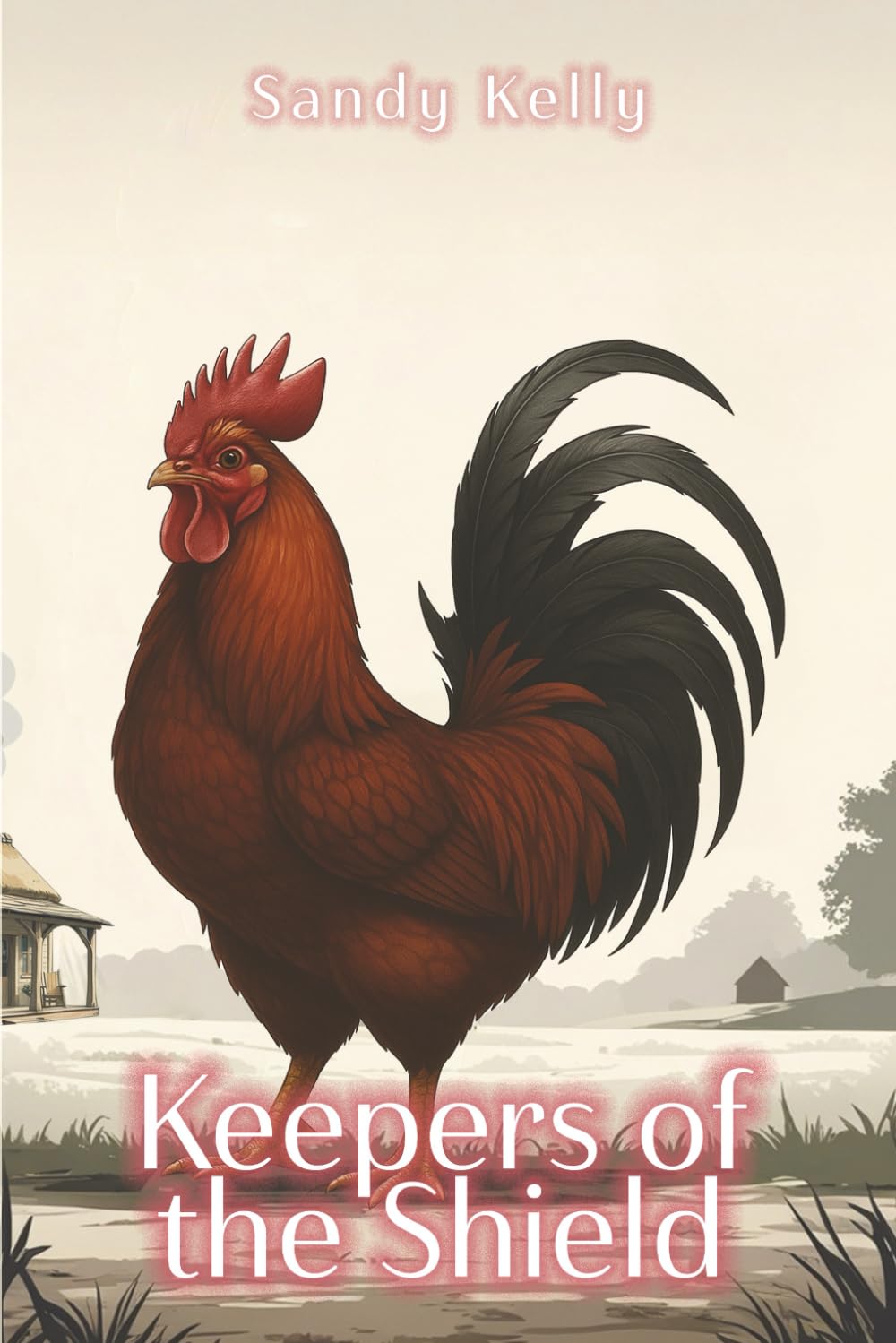
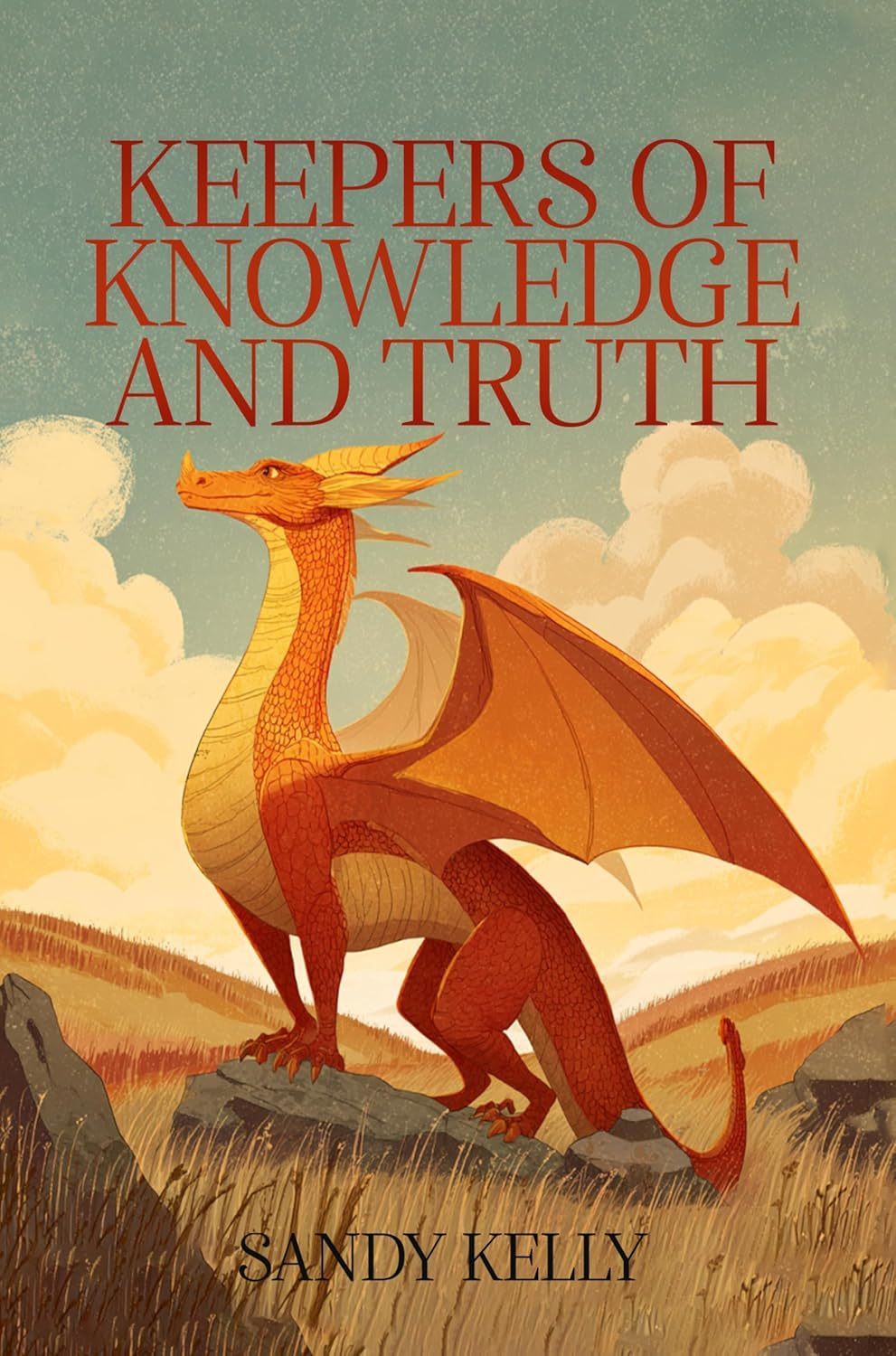
In Keepers of the Shield and Keeper of the knowledge and truth by Sandy Kelly, this dynamic is central to Jesse Finch’s transformation. His conflict with his stepfather and the changes within his family create a sense of frustration and displacement that he cannot ignore. He feels controlled, unheard, and disconnected from the life he once knew. This tension pushes him away from home and toward an alternative space where he can regain a sense of agency.
Over time, family conflict also opens the door to understanding. As the hero evolves, they begin to see beyond their initial perspective. They recognize the complexity of the people around them and the reasons behind their actions. This does not erase the conflict, but it reframes it. It allows the character to grow not only in strength but in empathy.
Keepers of the Shield captures this process with clarity, showing that the path to becoming a hero does not begin with power or destiny, but with struggle, resistance, and the courage to move forward despite it.
Keepers of the Shield: https://www.amazon.com/dp/B0FJZPGKDJ.
Keepers of Knowledge and Truth: https://www.amazon.com/dp/B0FWLC7BN9