
The question of where we truly belong has become more complex in an age where virtual worlds feel as vivid, structured, and emotionally engaging as reality itself. In modern fiction, especially stories shaped by gaming culture, this tension is not just philosophical. It becomes deeply personal. Characters are pulled between two spaces, one defined by limitation and unpredictability, the other by possibility and control.
Virtual worlds offer something the real world often does not: clarity. Goals are defined. Progress is measurable. Identity can be chosen rather than assigned. For young characters in particular, this creates a powerful sense of belonging. Within these worlds, they are not judged by their past, their circumstances, or their perceived weaknesses. They are defined by their actions, their skill, and their choices.
This sense of agency is often missing in their real lives. Family conflict, social pressure, and personal loss can leave characters feeling trapped or unseen. The virtual space becomes more than entertainment. It becomes a refuge. A place where they can breathe, explore, and rebuild a version of themselves that feels stronger and more complete.
Yet this raises a difficult question. If a character feels more capable, more valued, and more alive in a virtual world, does that world become their true home? Modern fiction rarely offers a simple answer. Instead, it explores the cost of choosing one world over the other. Virtual spaces may offer control, but they can also create distance from real relationships and responsibilities. The comfort of escape can become a barrier to growth if it replaces engagement with reality entirely.
At the same time, the real world is not presented as inherently superior. It is often messy, painful, and uncertain. Characters struggle within it because it lacks the structure and fairness they find elsewhere. This contrast is what gives the conflict its emotional weight. It is not about rejecting fantasy. It is about understanding what each world offers and what each demands.
The most outstanding narratives do not force a choice between the two. Instead, they move toward integration. The virtual world becomes a place of learning, where characters develop confidence, resilience, and purpose. These qualities are then carried back into their real lives, reshaping how they see themselves and how they engage with others.
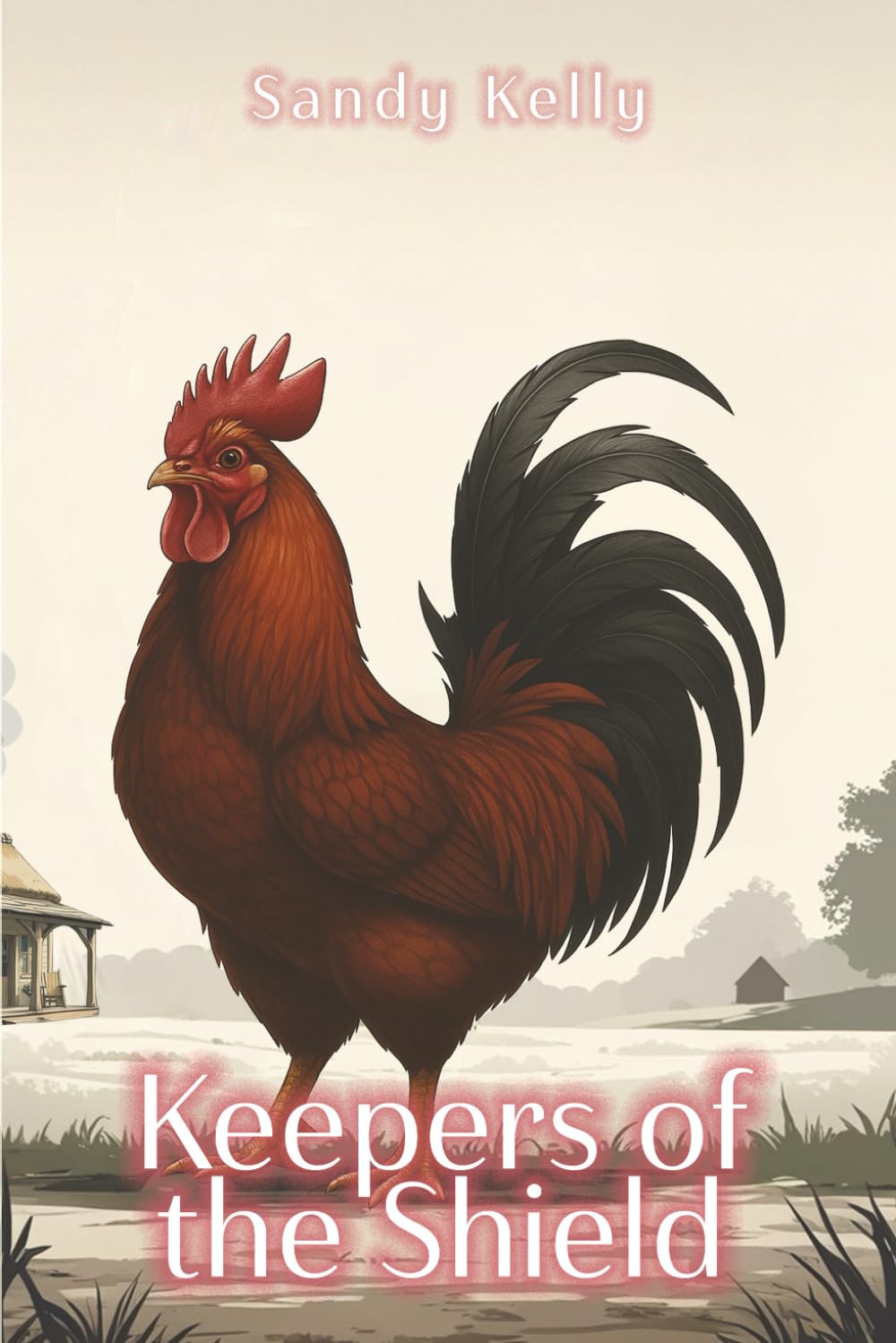
In Keepers of the Shield by Sandy Kelly, this tension is brought to life through Jesse Finch’s journey. His real world is filled with frustration, conflict, and a sense of displacement. The game offers him a strong foundation and belonging, a space where he feels capable and in charge. But as the story unfolds, it becomes clear that the boundary between these worlds is not fixed.
The virtual realm is not just an escape. It is a living world with its own demands, dangers, and responsibilities. Jesse cannot simply retreat into it without consequence. At the same time, he cannot return to his real life unchanged. The experiences he gains reshape his identity, forcing him to confront both worlds with a new perspective.
This is where the question of belonging finds its answer.
We do not truly belong to one world or the other. We belong to the version of ourselves that emerges through both. The virtual world reveals potential. The real world tests it. Together, they shape identity in a way that neither could alone.
Keepers of the Shield captures this balance with depth and clarity, offering a story that speaks to anyone who has ever felt caught between who they are and who they might become.
Keepers of the Shield: https://www.amazon.com/dp/B0FJZPGKDJ.