
What if you were playing a game that suddenly transports you to another universe or within it? I know that sounds unreal, but if you just put the clock back to the 1990s, movies like Jumanji and Zathura are great examples of such a scenario. Both of these movies center on games that pull players into real danger, yet they offer very different experiences.
Jumanji thrives on unpredictability. Every roll of the dice brings new threats. The game interrupts everyday life without warning, turning familiar spaces into something unrecognisable. The tension comes from not knowing what will appear next.
This constant escalation keeps viewers alert. The characters must adapt quickly, often without time to plan. The focus is on survival and endurance rather than strategy. For many viewers, this unpredictability is exactly what makes the film memorable.
Zathura takes a quieter approach. While the danger is real, it unfolds with more structure. The story allows moments of reflection between challenges. The game feels less chaotic and more like a test of cooperation and growth.
The emotional core of Zathura rests in relationships, particularly between siblings. The game becomes a space where unresolved conflict surfaces and is gradually addressed. This gives the film a slower, more personal rhythm.
While both of these movies are great in their own terms, preference often depends on what viewers enjoy most. Those who like fast pacing and constant surprise may lean toward Jumanji. Those who prefer character-driven stories with emotional grounding often favor Zathura. Whatever your choice would be, both films succeed because they treat games as catalysts rather than gimmicks. The game is not the point. The choices made under pressure are.
These films remain popular because they reflect something familiar. Games feel safe until they are not. Responsibility often arrives unexpectedly. When it does, people must decide how they will respond.
This theme continues to resonate, especially as games become more immersive in real life. And stories that explore these ideas feel relevant rather than nostalgic.
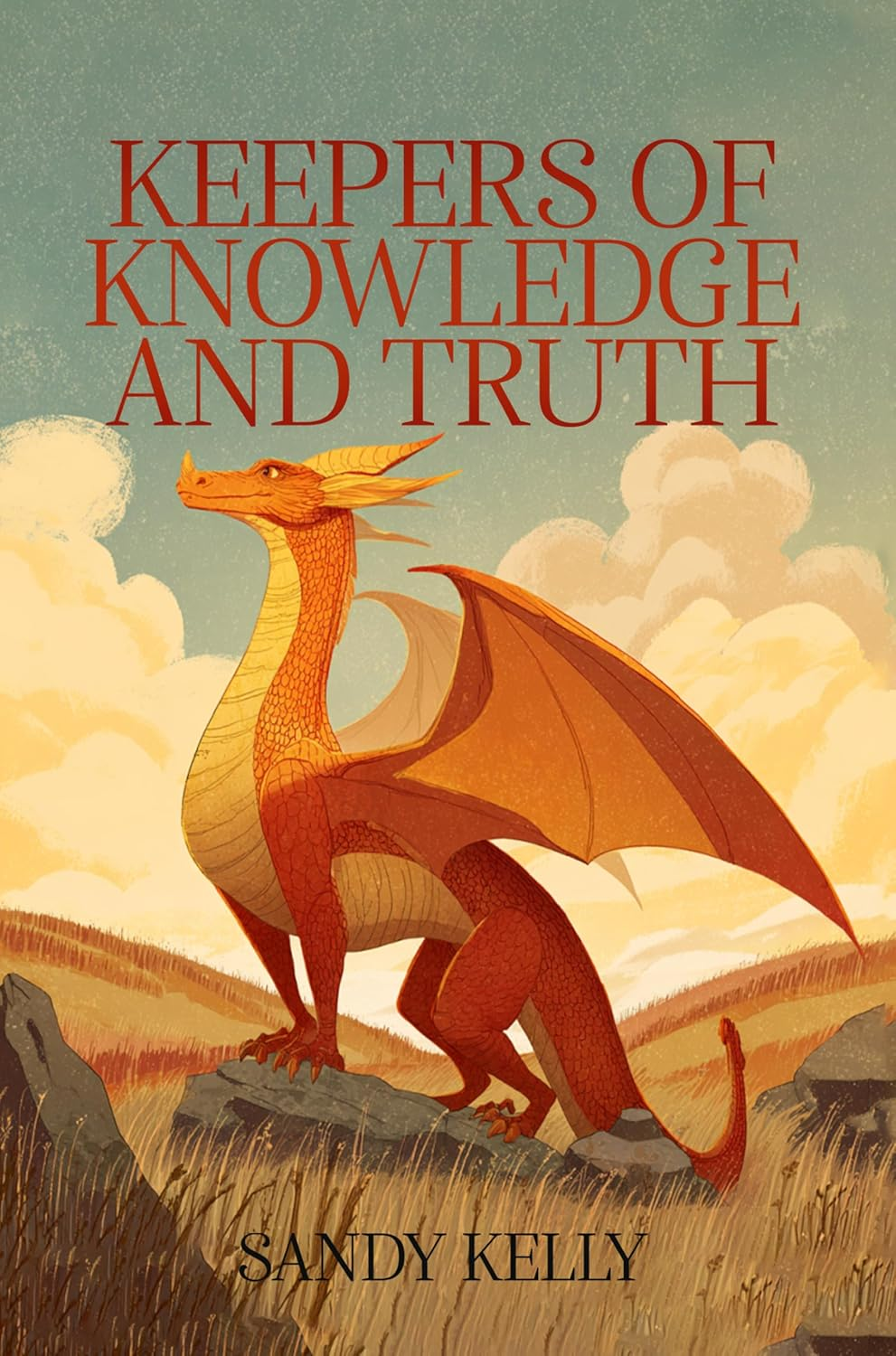
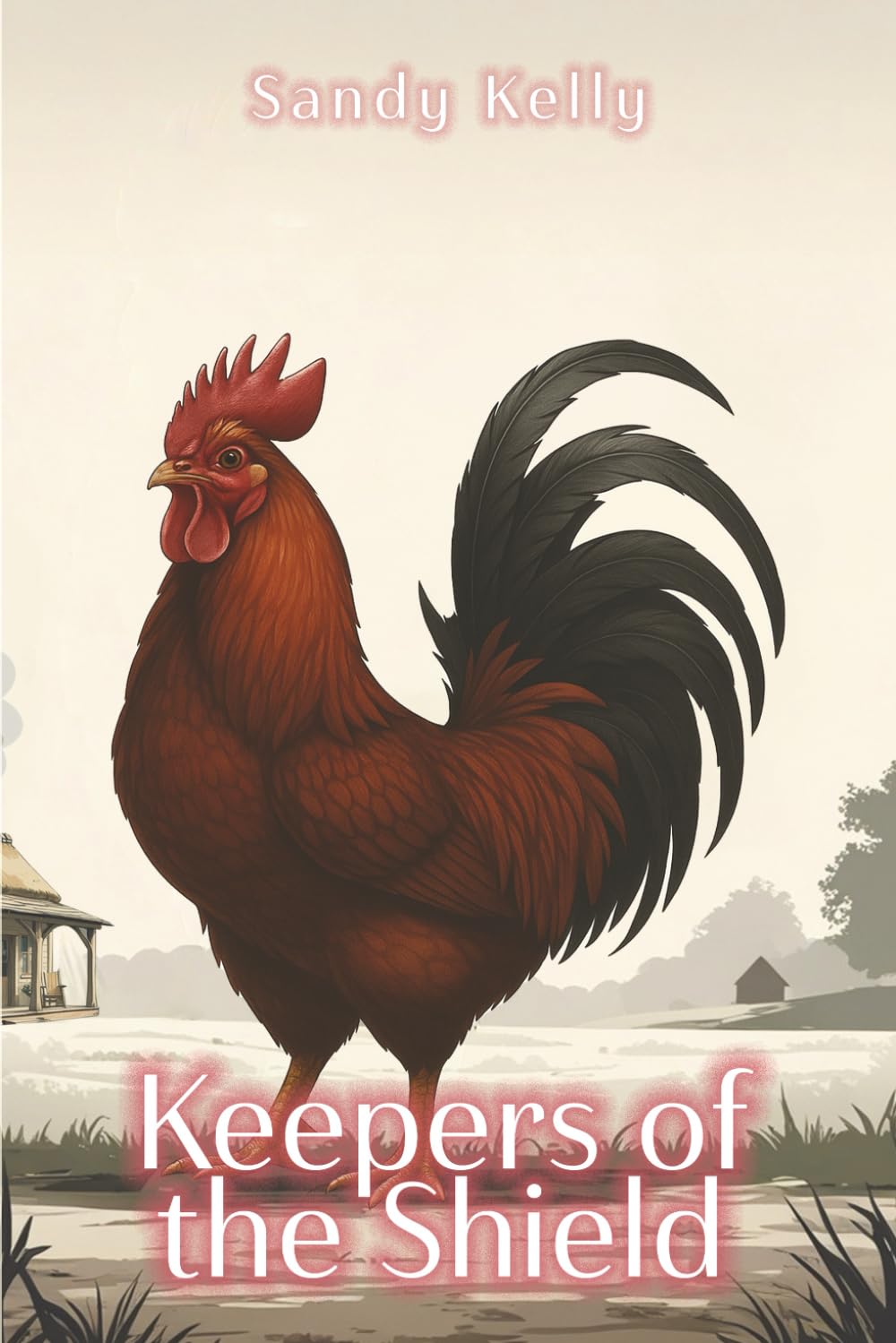
If films like Jumanji and Zathura spark your interest, books that explore similar ideas may be worth your time. Keepers of the Shield and Keepers of Knowledge and Truth by Sandy Kelly follow a journey in which gaming, responsibility, and real consequences intersect. For readers who enjoy stories where play becomes purpose, this series offers a thoughtful extension of those themes.
Follow Jesse Finch, an ordinary teenager whose life changes when he is drawn into Xanthara, a realm shaped by ancient magic, structured power, and long standing guardians. As Jesse learns to control his mind, understand his rare abilities, and build trust with unexpected allies, he begins to grasp the weight of his role in protecting both worlds. The journey deepens in the second book as Jesse returns from captivity changed, facing emotional scars, blocked magic, and rising threats that no longer stay contained within one realm. Through healing, preparation, and unity, Jesse grows from a learner into a leader, navigating a conflict that demands balance rather than brute force. Together, these books offer a thoughtful fantasy experience grounded in character development, steady worldbuilding, and the belief that courage, connection, and preparation shape destiny more than power alone.
Head to Amazon to purchase your copies:
Keepers of Knowledge and Truth: https://www.amazon.com/dp/B0FWLC7BN9.
Keepers of the Shield: https://www.amazon.com/dp/B0FJZPGKDJ.